 Gulf Edu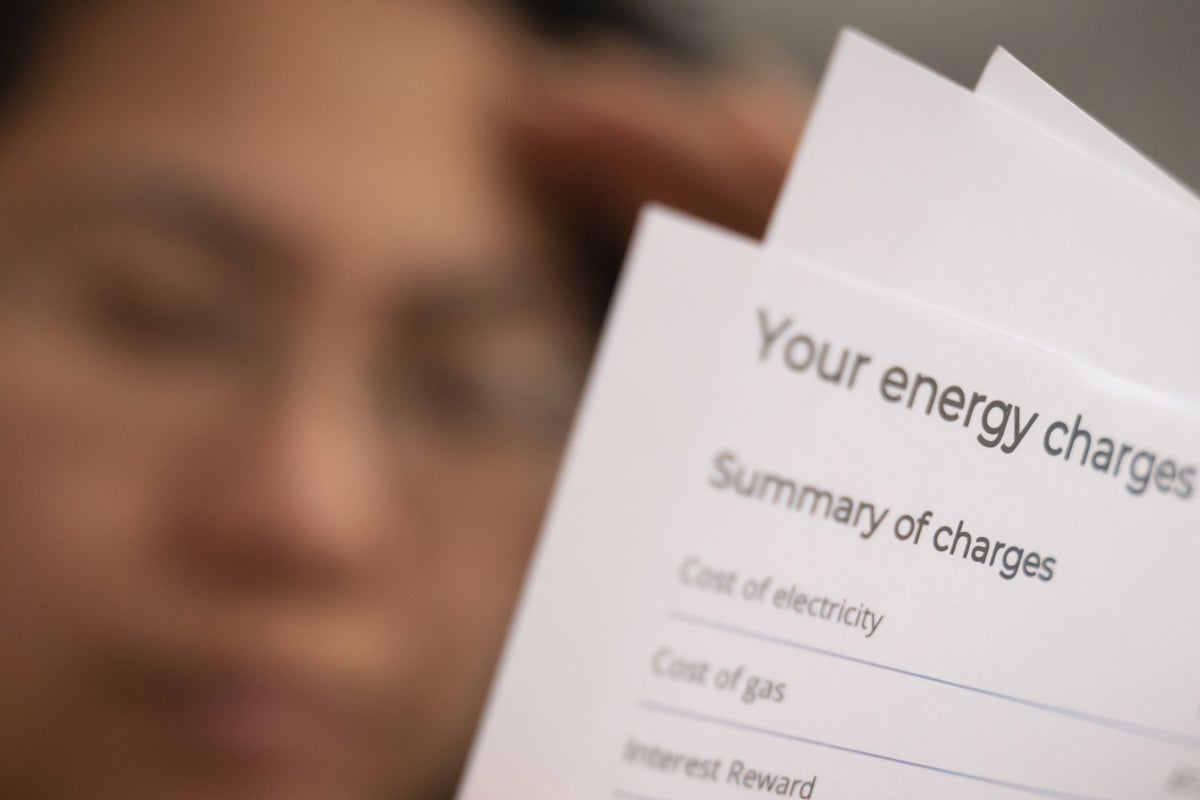
Energy bills for British households could be reduced if the Government encouraged the widespread adoption of flexible, time-varying tariffs, a major new report has suggested. Although generation costs fluctuate "a lot" depending on location and timing, the vast majority of domestic energy customers remain on flat rates that ignore these differences, according to research by the Institute for Fiscal Studies (IFS) and LSE , funded by the Nuffield Foundation as part of the IFS Green Budget . Due to frequent high winds, power generated in Scotland is often "effectively free", creating such an abundance of energy that the grid operator is regularly forced to pay wind farm operators to switch off turbines to prevent system overloading.
Conversely, during times of peak demand – particularly across the south of England – costly gas-fired generators are paid to step in and boost power supply. Household electricity bills could fall if the Government promoted the take-up of time-varying prices, according to a report (PA) Despite the Government ruling out localised electricity markets or zonal pricing models, the study highlights alternative ways to align customer charges with generation costs, including shifting standard domestic tariffs onto a time-varying footing by default. The authors also advocate offering relatively higher financial subsidies for electric heat pump installations in low-cost generation regions, alongside bigger solar panel subsidies in areas where demand is more likely to be met by gas generators.
Adjusting household bills to reflect market conditions would give consumers stronger financial incentives to shift power usage to off-peak hours—such as charging electric vehicles or running washing machines when it is cheapest—thereby driving down overall consumer bills, the report concluded. On a broader scale, ministers could help relieve ongoing cost-of-living strains driven by elevated power costs by taking action to modernise and streamline the efficiency of the UK’s electricity system, it said. Expenses associated with balancing power supply against national demand are forecast to double in real terms by the end of the decade to £7 billion, figures in the report show.
It also concluded that adopting a "more balanced" strategy towards net zero —relying less on the rapid decarbonisation of electricity over the rest of this decade than currently planned—would lower the total cost of achieving overall decarbonisation. Households have been warned to expect higher energy bills this winter Yui Mok/PA) (PA Archive) Bobbie Upton, research economist at the IFS and a co-author of the report, said: "Encouraging greater take-up of time-varying electricity prices could lower electricity bills for consumers with minimal cost to the Government. "The extent of savings would depend on how enthusiastically consumers adopted time-varying contracts and then adjusted when they consumed electricity.
"But evidence suggests savings are possible, with the potential savings increasing significantly as more households adopt electric vehicles and technology that automatically shifts consumption to times when prices are low. "Looking ahead, high electricity prices look set to be with us for many years to come. Improving the efficiency of the electricity market would have a long-run pay-off." Mark Franks, director of welfare at the Nuffield Foundation, said: "Electricity prices matter for all households, but they are particularly important for those on low incomes.
"Energy bills account for a much higher proportion of spending among poorer households, and uncertainty about possible future price rises creates anxiety within families already operating with very little financial headroom. "Any credible options for reducing the costs faced by consumers, particularly the most vulnerable, should therefore be considered carefully by government."
Source: The Independent